How Many Years Can a Film Battery Last? The Key Is Cycle Life
When purchasing batteries, many users tend to focus on capacity and power output, while often overlooking a more critical indicator — battery cycle life.
In the short term, capacity determines how long a battery can power a device in a single use. However, in the long run, cycle life is the key factor that determines total cost, equipment lifespan, and on-site reliability.
For high-frequency power-use scenarios such as film production and live streaming, this metric can be even more important than capacity itself.
01 | What Is Battery Cycle Life?
Battery cycle life is an important indicator used to measure a battery’s durability.
When a battery starts from a fully charged state, goes through a discharge, and is then charged back to full again, completing the process of “full charge → discharge → full charge”, it is counted as one complete cycle.
When the battery’s actual capacity declines to 80% of its rated capacity, the total number of accumulated cycles at that point is defined as the battery’s cycle life.
It is important to note that cycle life represents a milestone in the battery’s “health condition,” rather than the end of its usability.
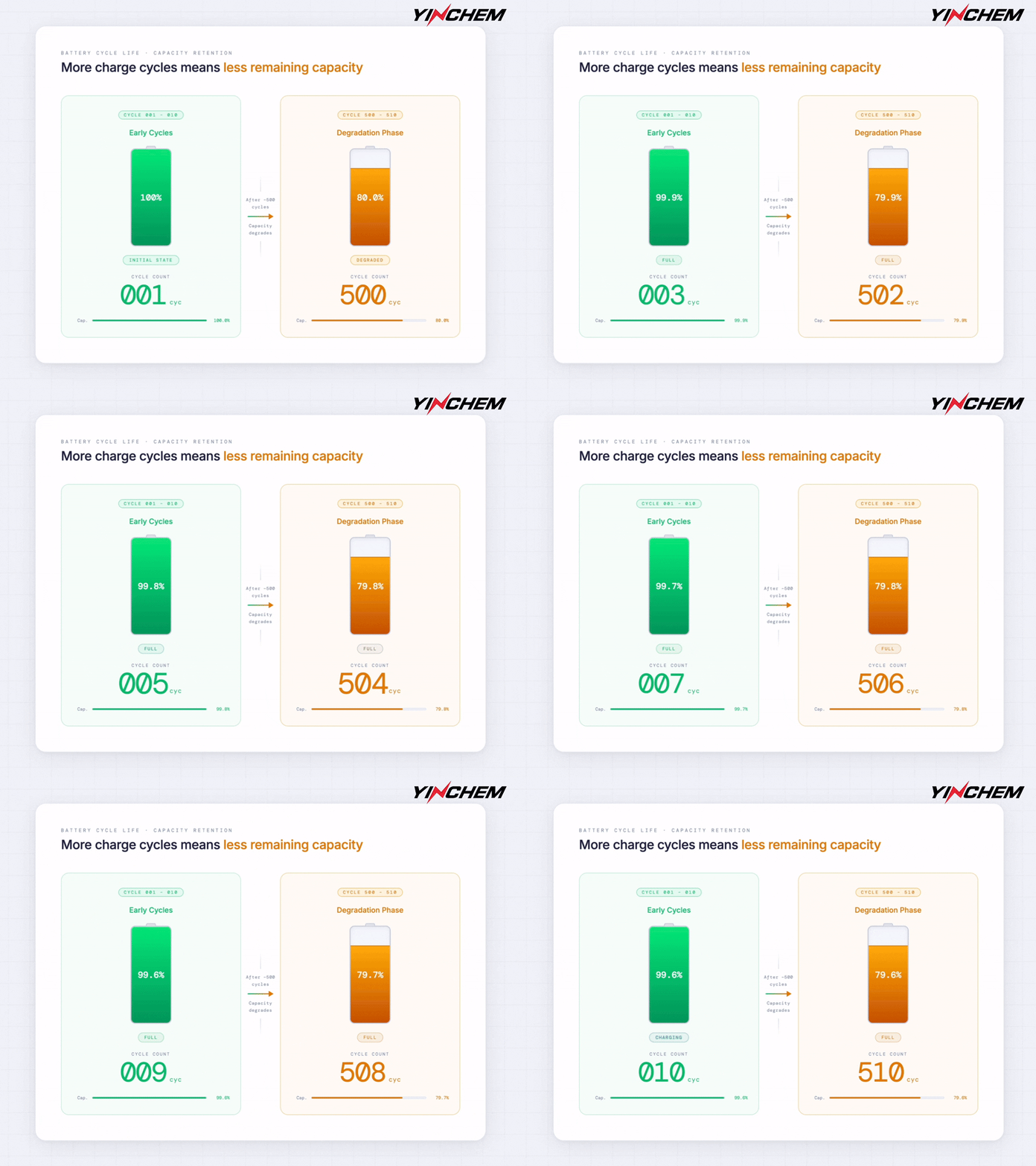
(Cycle life diagram)
(2)The Significance of Cycle Life
Cycle life directly determines the baseline durability of a battery.
For film crews, production teams, and live-streaming operations, batteries are not occasional tools but the daily power core of their equipment.
If cycle life is relatively low, it may lead to the following problems:
① Uncontrolled degradation
The battery’s actual capacity may decline unpredictably. Inflated cycle specifications or inconsistent battery cell quality can cause rapid loss of runtime, affecting stable equipment power supply.
② Frequent replacements
As capacity continues to decline, the runtime of a single battery becomes shorter, forcing users to change batteries frequently during shooting and increasing operational burden.
③ Increased risks
More frequent battery swapping raises the likelihood of power interruptions, device restarts, and contact failures, all of which can affect shooting continuity and safety.
④ Higher costs
A shorter battery lifespan means entering the replacement cycle sooner, increasing procurement frequency and significantly raising long-term costs.
Once you clearly understand a battery’s cycle life, you can estimate its service life and depreciation cycle in advance, allowing for more scientific purchasing planning and backup power strategies, and avoiding production interruptions caused by battery degradation.
02 | Key Factors Affecting Battery Cycle Life
Cycle life is not accidental. It is determined by a combination of battery cell quality + management system + usage habits + environmental adaptability.
The battery cell is the fundamental factor that determines cycle life.
① Cylindrical Battery Cells
In V-mount batteries widely used in the film and television industry, the mainstream choice is cylindrical battery cells, such as 18650 and 21700.
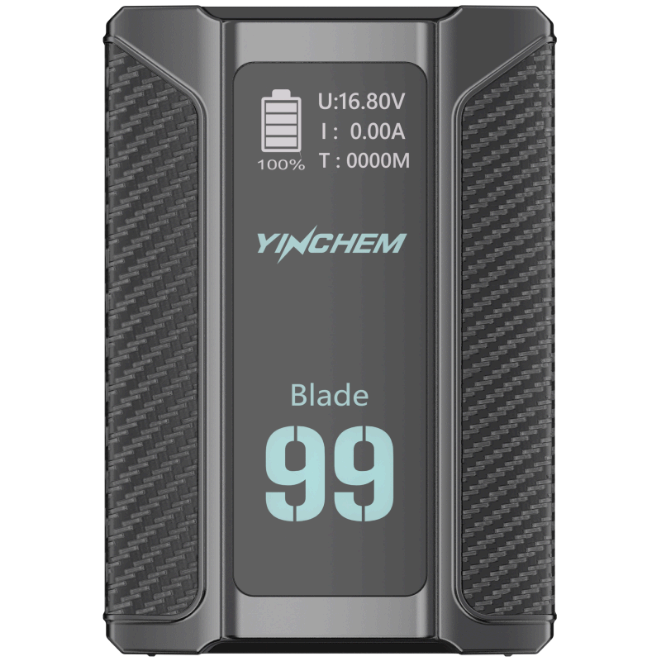
In our product lineup:The Blade series uses Samsung 18650-35E battery cells.The Rubberized series uses Samsung 21700-50G battery cells.
Both are Grade-A battery cells. According to standardized testing, after 500 cycles, the actual capacity can still maintain over 80% of the rated capacity, ensuring stable long-term performance.
In contrast, low-quality or recycled battery cells often have:
Lower cycle counts
Inconsistent internal resistance
Faster capacity degradation
Over time, these differences become increasingly obvious. The grade of the battery cell ultimately determines the lifespan of the product.
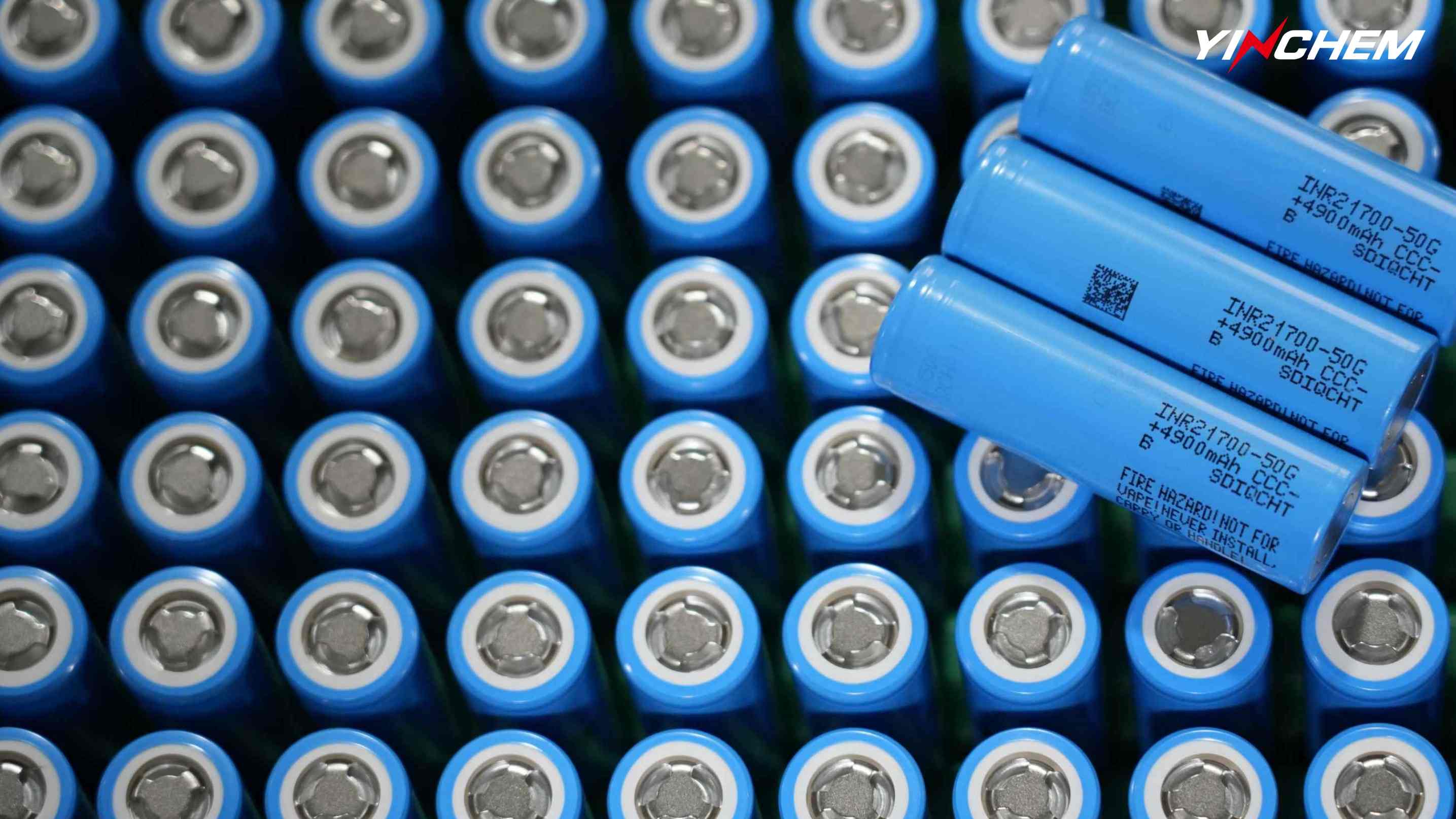
(Samsung 21700-50G battery cell)
② Pouch Battery Cells
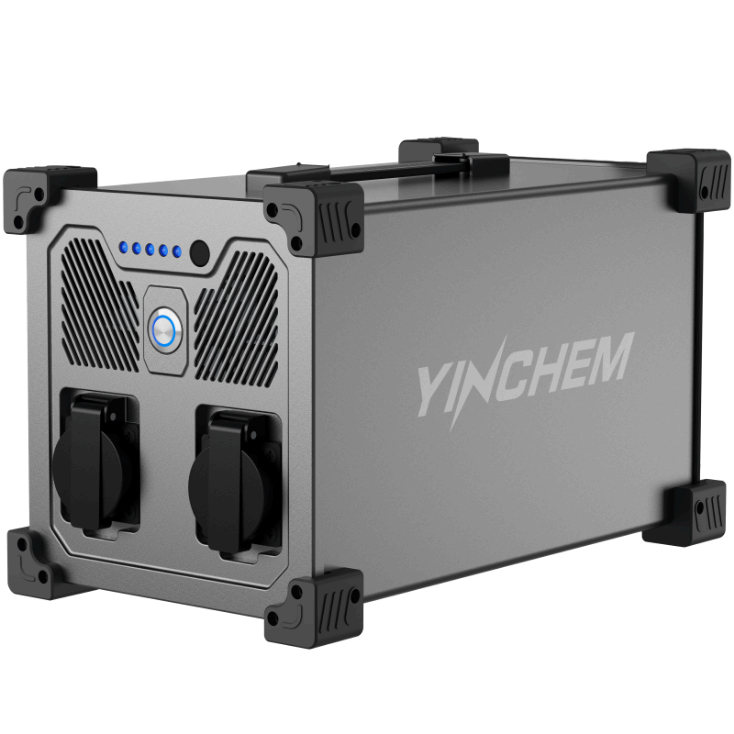
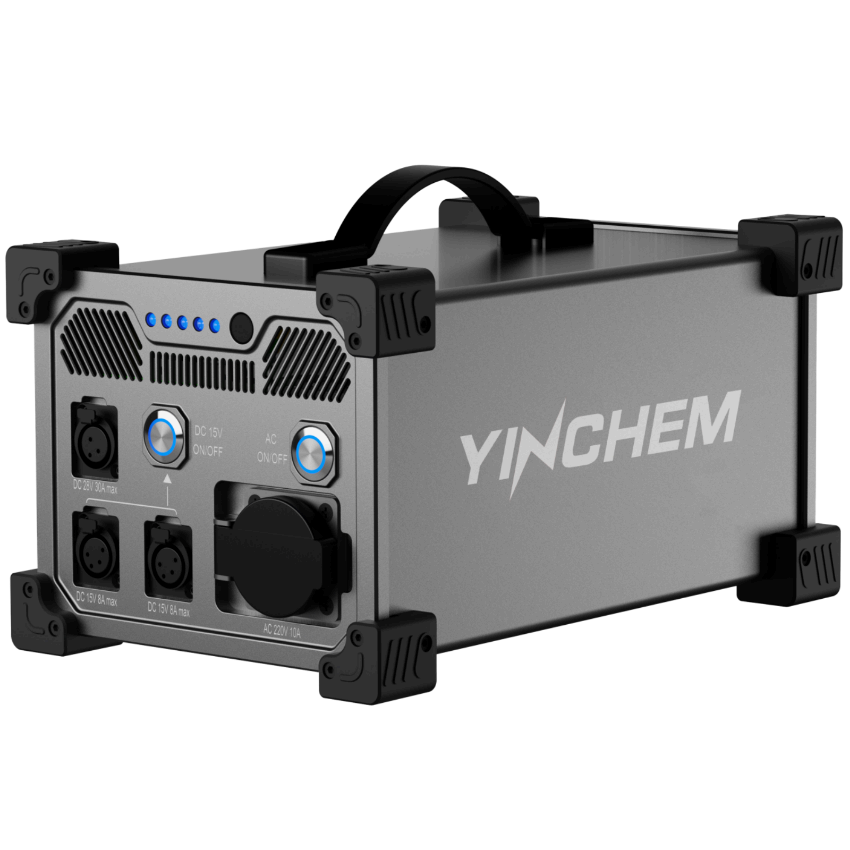
In our portable power station products, we use semi-solid-state pouch battery cells.
Their advantages include:
· Longer cycle life
Over 2000 cycles, equivalent to about 5.5 years of daily use.
· Higher energy density
More energy within the same volume, effectively reducing product weight.
· Better thermal stability
Heat generation remains more evenly controlled during sustained high-power output.
Semi-solid-state battery cell technology improves cycle performance while maintaining lightweight design and high safety, making it well suited for mobile filming and complex environments.
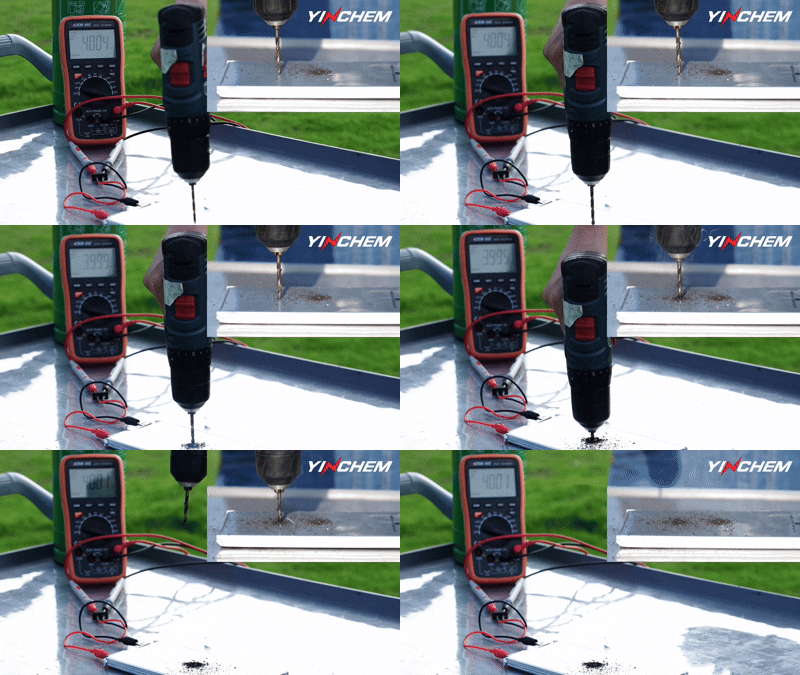
(Semi-solid-state battery cell needle-penetration test)
③ LiFePO₄ Battery Cells
In our 5 kWh large-capacity energy storage products, we use high-quality LiFePO₄ battery cells.
Their core advantage is a cycle life of over 3500 cycles, equivalent to approximately 9–10 years of daily use.
LiFePO₄ battery cells feature:Stable chemical structure, high safety level, excellent durability under high-load conditions.
They are particularly suitable for film production, outdoor live streaming, and long-duration high-power lighting, maintaining stable performance even under heavy loads.
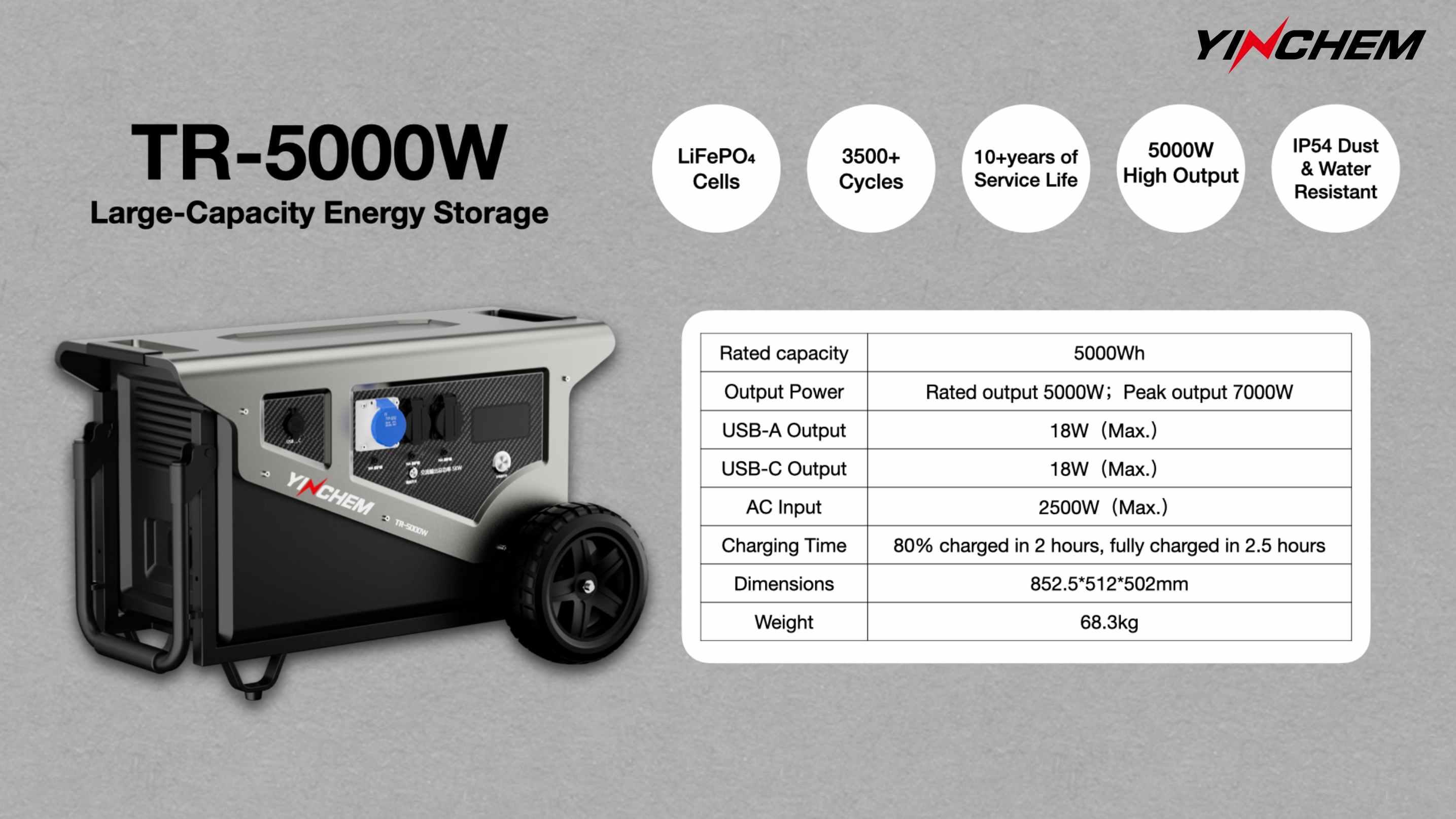
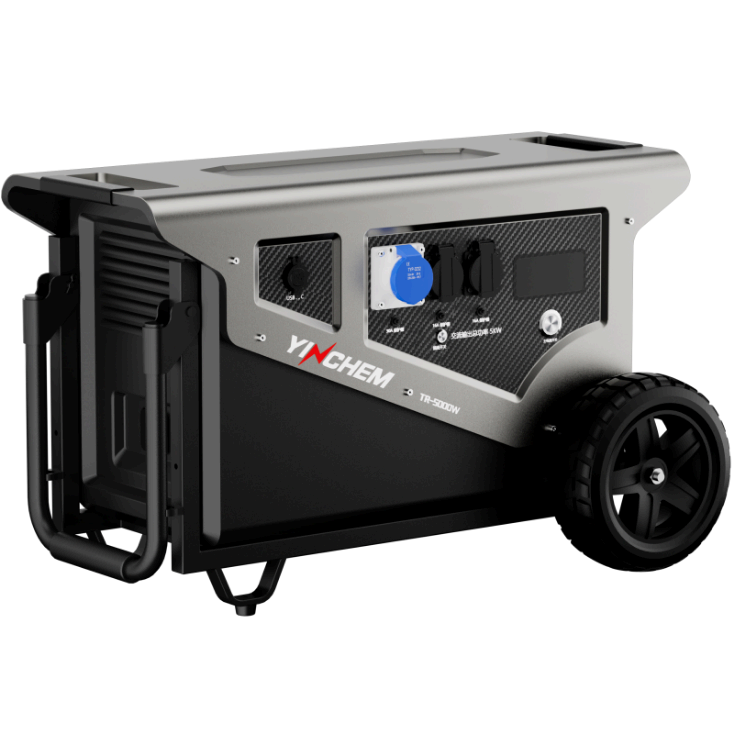
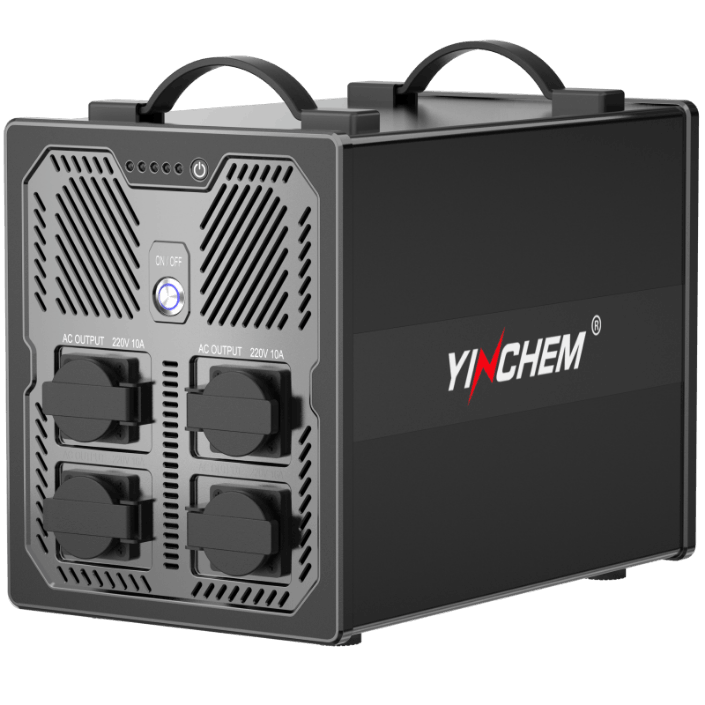
(TR-5000W large-capacity energy storage)
A high-quality BMS is not merely a “basic protection board.” A complete BMS should include multiple protection mechanisms such as overcharge protection, over-discharge protection, overcurrent protection, short-circuit protection, high-temperature protection, and low-temperature protection. Its role is not only to “prevent accidents,” but also to effectively slow down battery aging.
Through a full-scenario protection mechanism, the BMS can precisely manage every charge and discharge cycle, proactively reducing damage to the battery cell under various conditions and preventing performance degradation caused by overheating, over-discharge, or high current. This significantly extends the battery’s service life. It also means that in high-frequency usage scenarios such as film production and live streaming, the battery can maintain more stable and long-lasting performance.
In addition, all of our products are equipped with customized BMS. According to different battery cell types and product positioning, different protection logics are configured to achieve a balance between safety and performance.
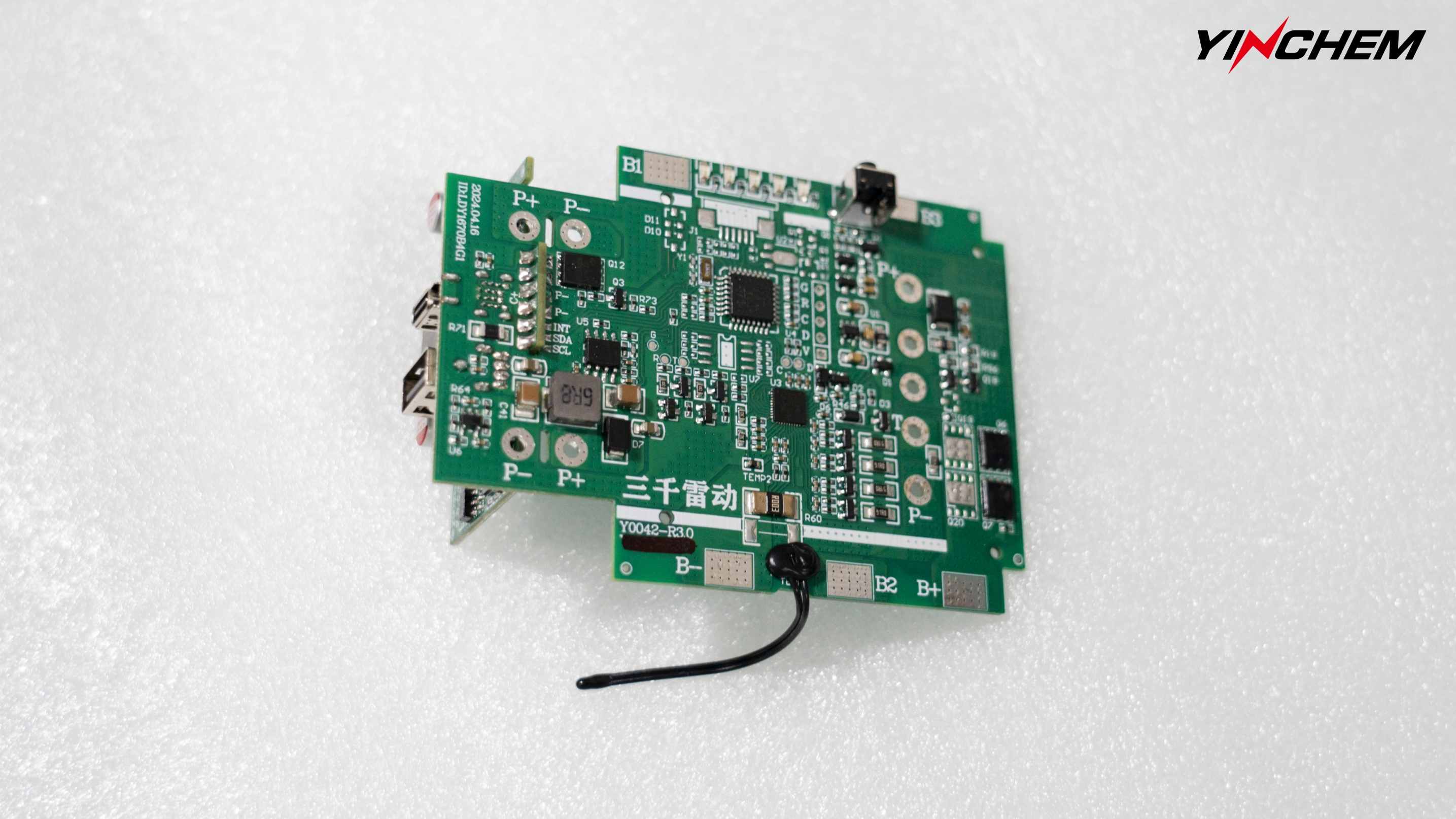
(BMS designed for V-mount batteries)
📝 Charging and Discharging Habits
Even with high-quality battery cells, improper usage habits can accelerate capacity degradation.
The following behaviors are the most common “hidden killers” of cycle life:
① Frequent deep discharge
Regularly draining the battery to extremely low levels accelerates capacity loss and shortens cycle life.
② Long-term full-charge storage
Storing a battery at a full charge for extended periods can increase the rate of internal chemical reactions, accelerating aging. This is especially true when stored in high-temperature or enclosed environments, where capacity degradation and self-discharge are more likely to occur.
③ Charging in high-temperature environments
Charging in a high-temperature environment raises the internal temperature of the battery cell, which can cause greater damage to the cell and affect the battery’s stability and safety.
④ Using a non-matching charger
Using a non-matching or low-quality charger may cause overcharging, overcurrent, or voltage fluctuations, accelerating battery aging and even creating potential safety risks.
Proper usage can significantly extend the battery’s health cycle. It is recommended to keep the battery level at around 20%–80% before storage, which can effectively prolong the overall battery health cycle.
📝 Environmental Adaptability
Long-term use in extremely cold or high-temperature environments can cause certain damage to battery cells. Therefore, we have added more efficient heat dissipation channels to our V-mount batteries, enabling them to better support the long-duration, high-load use of film set lighting. In some higher-risk environments, our portable power stations use semi-solid-state battery cells. These cells can withstand nail penetration tests, making them safer for use on set. For large 5 kWh energy storage systems, which are generally used outdoors, we have reinforced the waterproof and dustproof design to ensure the cycle life remains reliable even in harsh outdoor conditions.
03|Why Is Cycle Life Crucial for Film and Video Professionals?
(1)Determines Service Life
Taking one full cycle per day as an example:
| Product Type |
Battery Cell Type |
Service Life |
| V-mount Battery |
Samsung 18650-35E |
1.5–2 years |
| Portable Power Station |
Semi-Solid-State Cell |
5.5 years |
| Large-Capacity Energy Storage |
LiFePO4 Cell |
9.5 years |
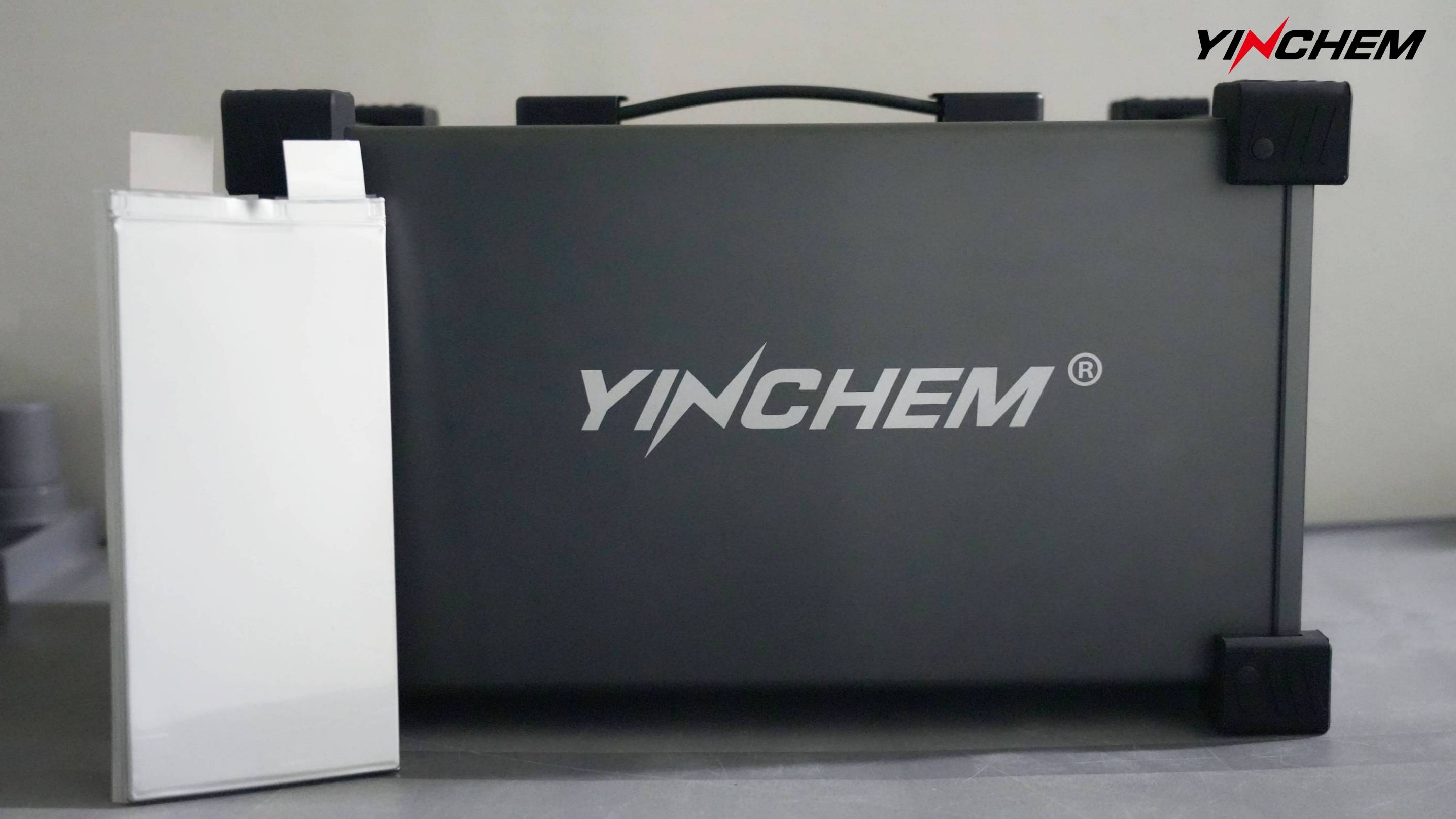
(Portable power station using semi-solid-state cells)
Choosing a product with a lower cycle count means the power system will “retire” earlier than expected.
(2)Reduces Long-Term Operating Costs
High-cycle-life batteries, such as the TR-5000W large-capacity energy storage system, may require a relatively higher initial investment, but they can significantly reduce maintenance expenses and time costs caused by frequent battery replacements, especially for equipment used at high frequency.
Some people believe that energy storage systems are expensive and prefer purchasing gasoline generators instead. However, when choosing energy storage equipment with higher cycle life, the average cost per use is actually lower, making it more economical in the long run.
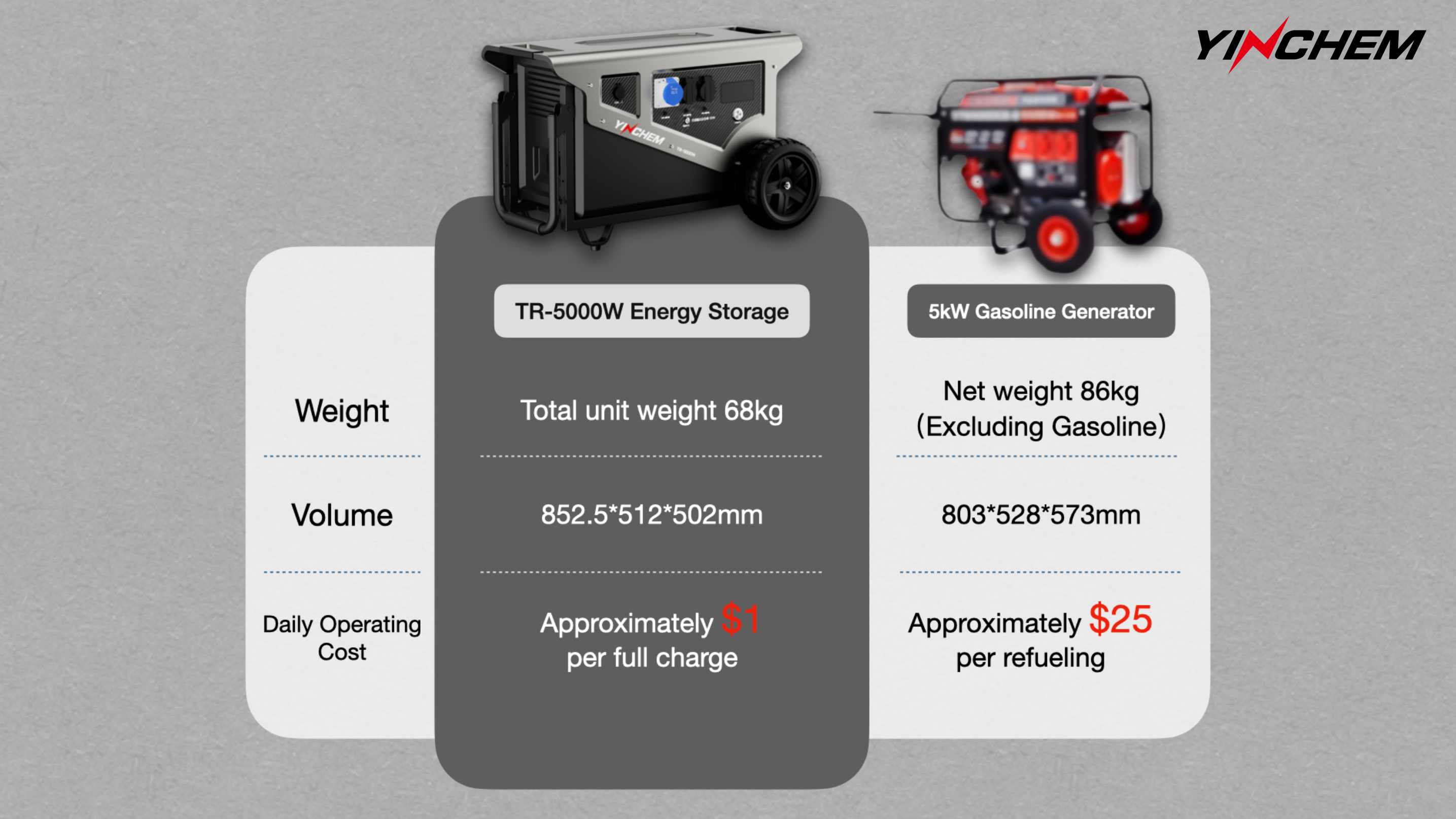
(Long-term application comparison between TR-5000W and gasoline generators)
(3)Ensures Shooting Stability
Batteries with low cycle life often experience irregular degradation. The first 200 cycles may perform normally, but afterward the capacity may suddenly drop sharply or even cause unexpected power loss during operation. In contrast, high-quality battery cells can still maintain more than 80% of their capacity after reaching the rated cycle count, effectively avoiding:
· Footage loss
· Live streaming interruptions
· Lights suddenly turning off
· Equipment restart risks
For the film and television industry, stability is far more important than specifications.
04|How to Evaluate the Real Cycle Life of a Battery?
Battery cycle life is not just a number listed on a specification sheet.
The real cycle life depends on the combined performance of battery cell quality, BMS management capability, manufacturing processes, and actual usage scenarios. Many products claim “800 cycles” or even “1000 cycles” in marketing materials, but without sufficient supporting information, such numbers often have little reference value.
To determine the true cycle life of a battery, the following key aspects should be considered:
📝 Whether the Battery Cell Brand and Model Are Clearly Specified
Battery cells are the core factor determining cycle life. Reputable brands usually clearly indicate the brand and model of the battery cells used. Common top-tier cells used in V-mount batteries include Samsung, LG, and Panasonic.
A clearly labeled model means the product is traceable and verifiable, and it also reflects the manufacturer’s confidence in product quality. If a product only vaguely states “high-capacity cells” or “imported cells,” the actual degradation may far exceed expectations even if the claimed cycle count appears high.
Checking the battery cell model is the first step in evaluating the authenticity of the cycle life.
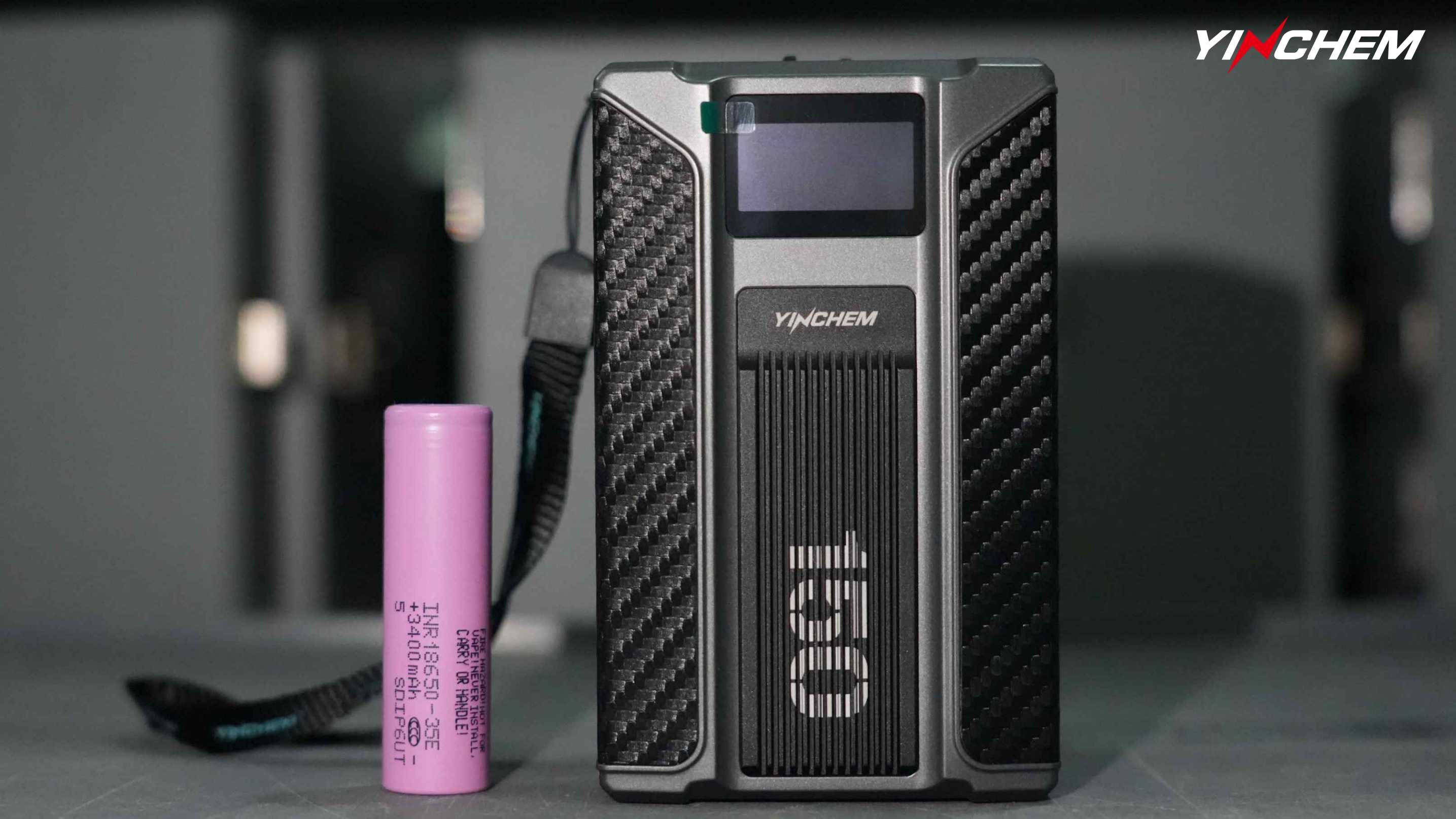
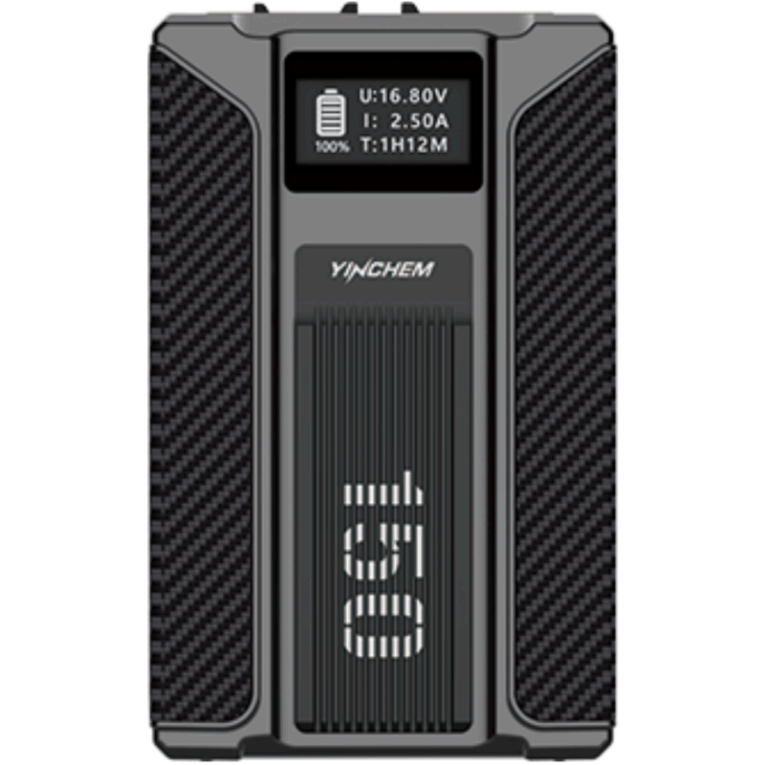
(Blade 150S uses Samsung 18650-35E cells)
📝 Whether It Has Authoritative Certifications
Certifications are not only sales requirements but also indicators of quality standards.
Domestic battery products must have 3C certification, while export products typically require certifications such as UN38.3, CE, and MSDS. A complete certification system indicates that the product has passed standardized safety tests. A lack of certification often suggests simplified testing procedures, unclear production standards, and uncertain reliability.
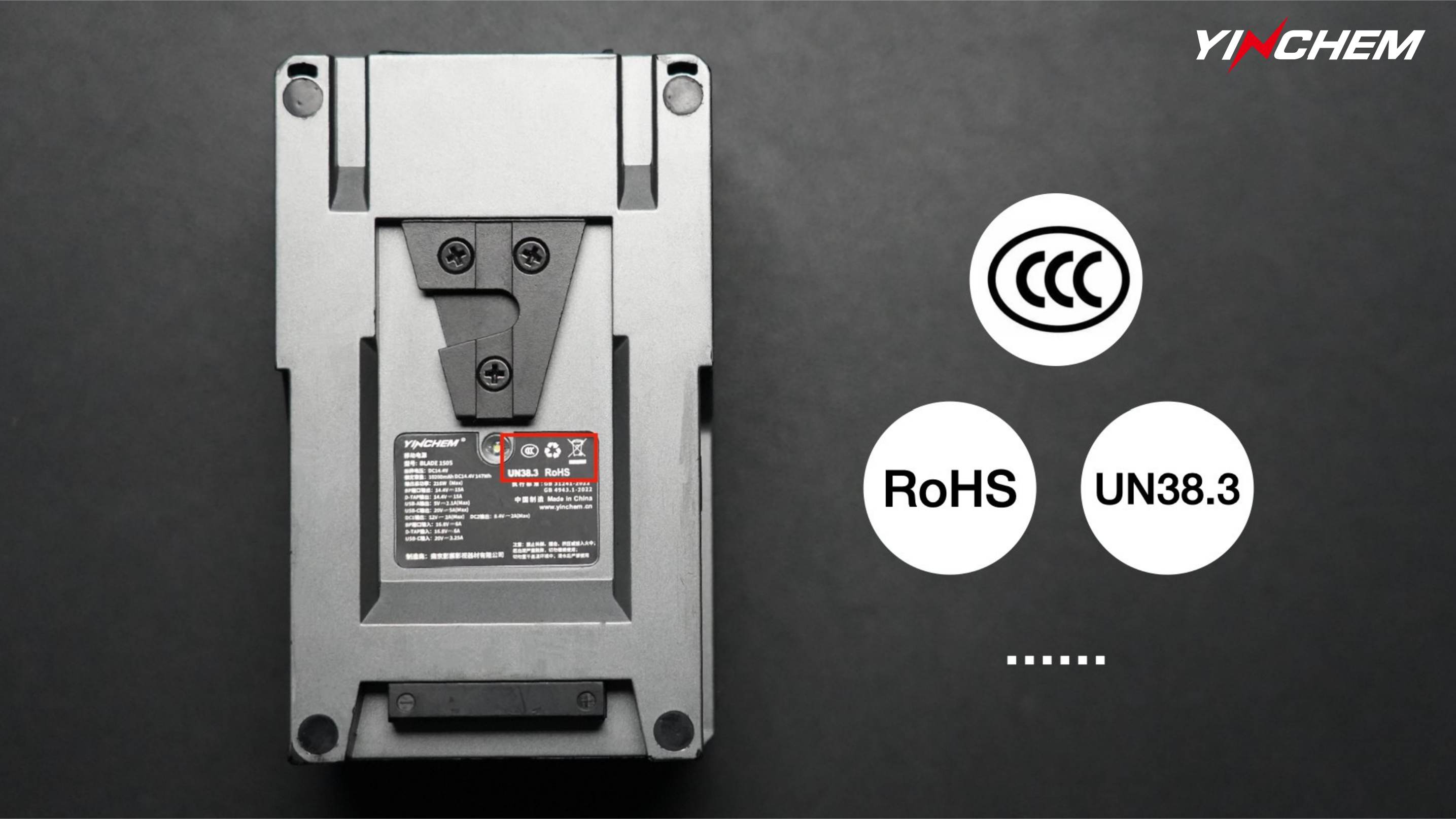
(Blade 150S related certifications)
📝 Whether There Are Real Professional User Cases
Remember: laboratory data ≠ real-world performance.
The cycle life of a battery ultimately needs to be verified through practical application scenarios.
If a battery can reliably serve professional film crews or live streaming teams for long periods, it demonstrates that the product has passed real environmental tests. Conversely, if a product only provides simple “laboratory data screenshots” without long-term usage feedback, then claims of “thousands of cycles” have little real significance.
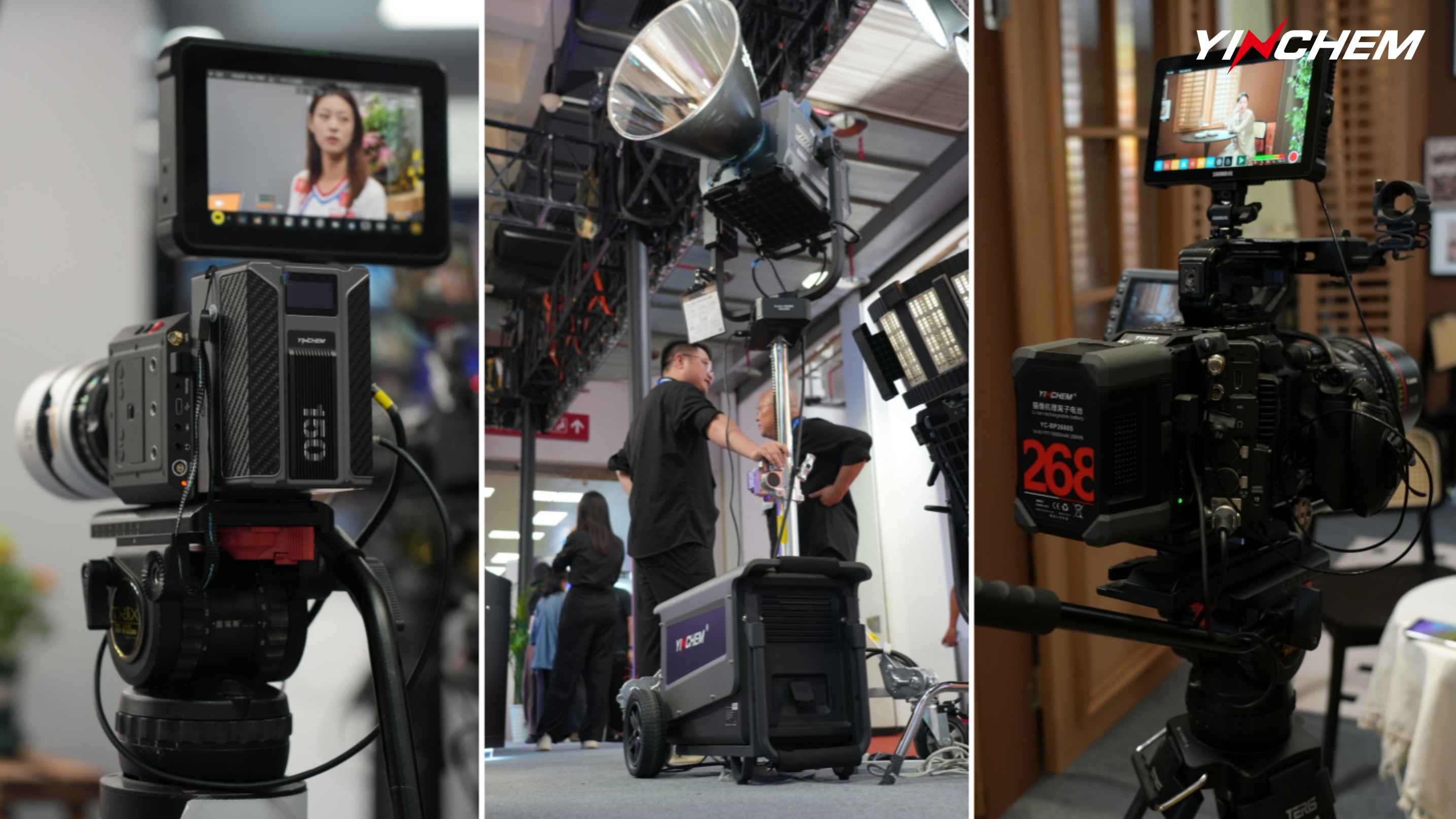
(Real-world application cases of YINCHEM products)
Cycle life determines more than just how long a battery can last. It determines whether your production will be stable, controllable, safe, and professional. Choosing products with higher cycle life is essentially an investment in the stability of your future productions.








 Company Email:
 Company Address: